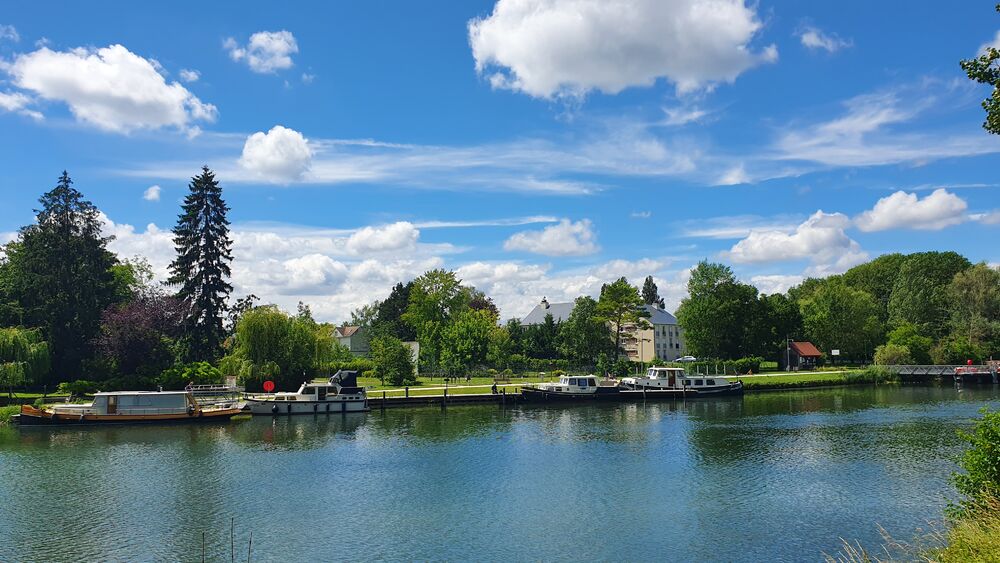
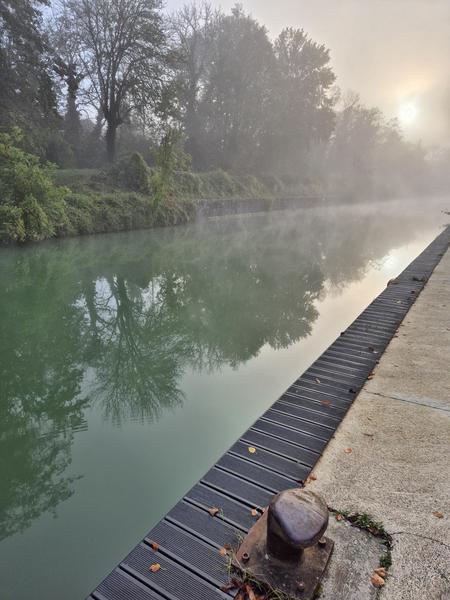
Loing Canal


Presentation
Built in the early 18th century at the request of the Duke of Orléans (known as the Regent), the Loing Canal follows the course of the River Loing, using its natural riverbed at eight different points.
The Loing Canal was created to overcome the difficulties in supplying the Paris region, caused by the challenging navigation conditions on the River Loing. With the approval of Louis XV, construction began in 1720 and was completed in 1724. It connects the Briare and Orléans canals to the River Seine. It was the first lateral canal to be built in France. Like other engineering and architectural achievements of the period, it reflects a concern for aesthetic appeal, which can still be seen today. The canal is 49.4 kilometres long and has 21 locks.
During the French Revolution, the Loing and Orléans canals were seized by the creditors of the Duke of Orléans (known as Philippe Égalité). In 1809, the Compagnie des canaux d'Orléans et du Loing was established and became the owner of both waterways. In 1861, the French State took possession of the two canals. At the end of the 19th century, following the Freycinet Act (1879), the locks were widened and lengthened, and numerous structures were rebuilt.
In 1967, plans were drawn up to modernise the Loing Canal by replacing the 21 locks between Montargis and Saint-Mammès (Seine-et-Marne) with seven locks featuring greater lifts. However, the project was never carried out.
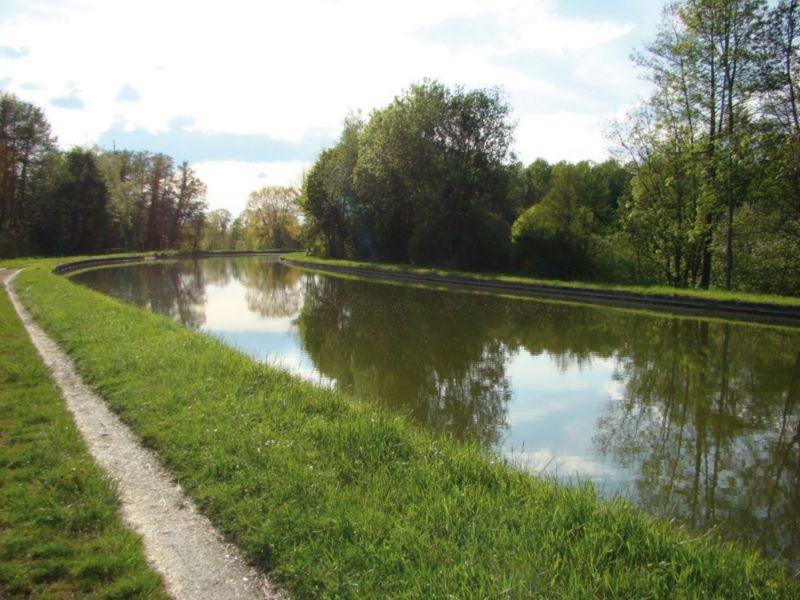
In 2015, a greenway was created along the former towpath. Connecting the Seine à Vélo route upstream with the Orléans and Briare canals, this greenway forms part of EuroVelo 3, the European cycling route also known as the Scandibérique.
Free access.
All year round daily.
Equipements :
Parking nearby
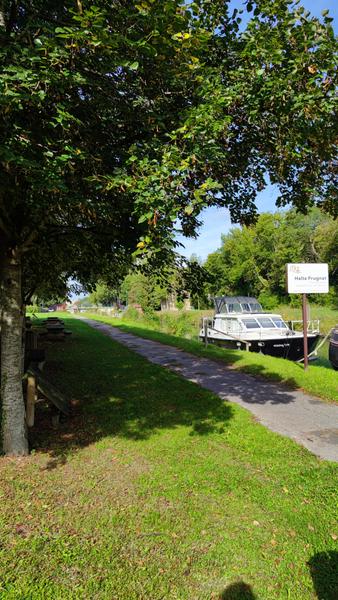
Picnic area
Services :
Pets welcome
Langues parlées :
French
Tourisme adapté :
Minimum aisle width of 90 cm