Paley castle

Presentation
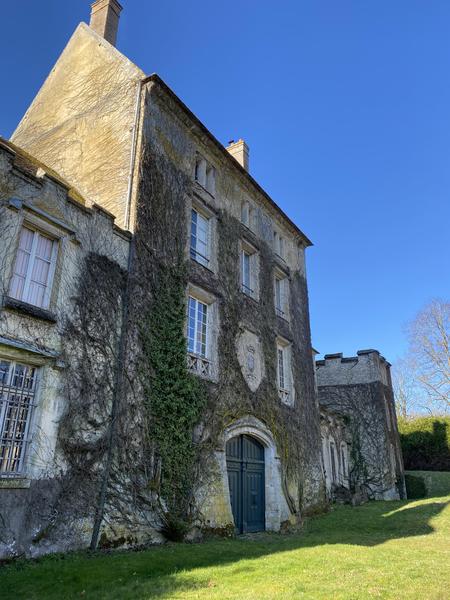
Paley Castle, a former Templar commandery set within three hectares of grounds, was originally built around the 12th century. Destroyed and subsequently rebuilt in the 19th century, the building retains the appearance of a fortified castle.
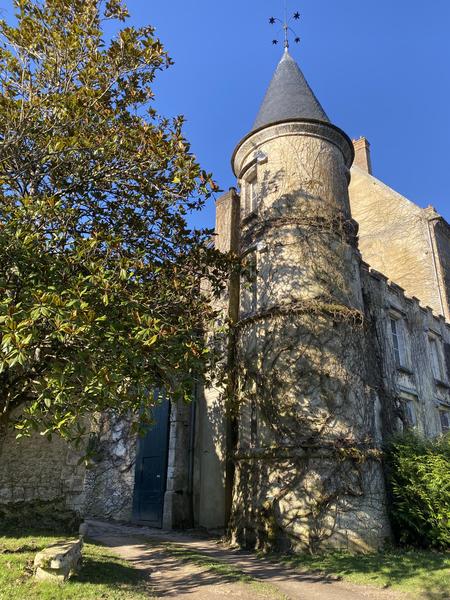
Around the 12th century, a square fortress without a keep was built to defend the crossing of the River Lunain. Several features from this period have survived: a square watchtower containing a spiral staircase, impressive six-metre-high ramparts surrounding an inner courtyard laid out on three levels, a 15-metre-high corner tower, later converted into a dovecote, and a crypt.
The main building was subsequently extensively remodelled over several periods, giving the château its present eclectic architectural style while retaining its fortified appearance. Inside, visitors can find a Louis XV-style drawing room, a spacious dining room, a grand staircase and period bedrooms.
The medieval enclosure and dovecote have been listed as Historic Monuments since 1987.
Today, the château is dedicated to artistic creation, hosting artist residencies for visual artists, musicians, dancers and actors, as well as cultural events.
Free of charge.
Services :
Not open to the public
Langues parlées :
French
Tourisme adapté :
Minimum aisle width of 90 cm