Le Pavillon Baltard
Presentation
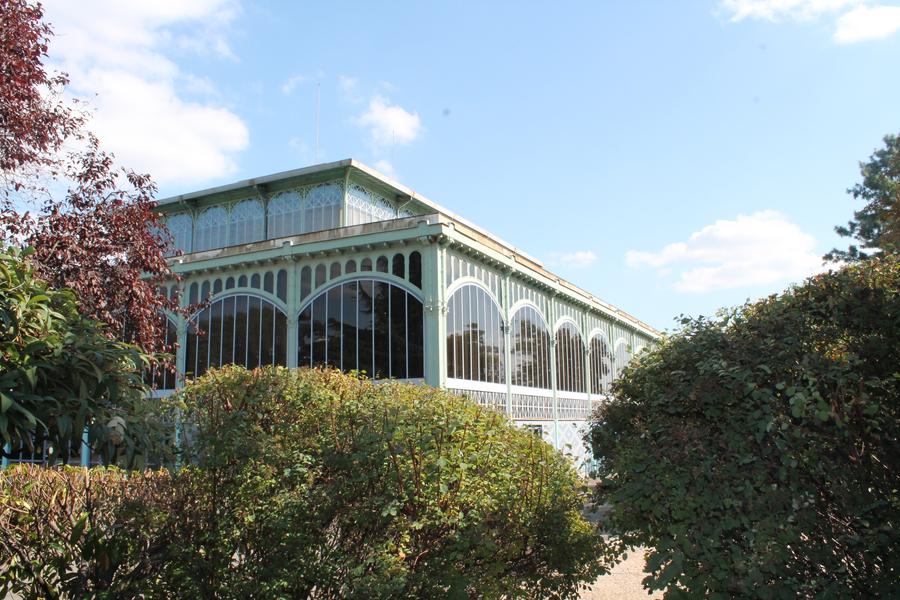
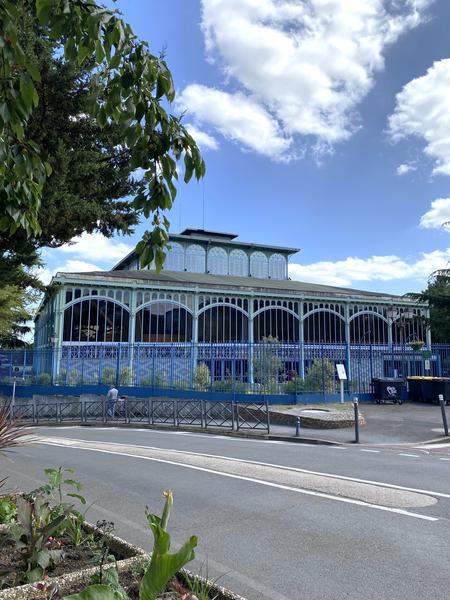
Made of cast iron, steel, and glass, the Pavillon Baltard is an emblematic monument of Paris’s vibrant history in the 19th and 20th century.
Designed in the mid-19th century by the architect Victor Baltard, it stands out for its strikingly modern architecture for the time — a perfect example of the industrial aesthetic that transformed Paris under Napoleon III. Today, the Pavillon has become a landmark venue for events across the Paris region.
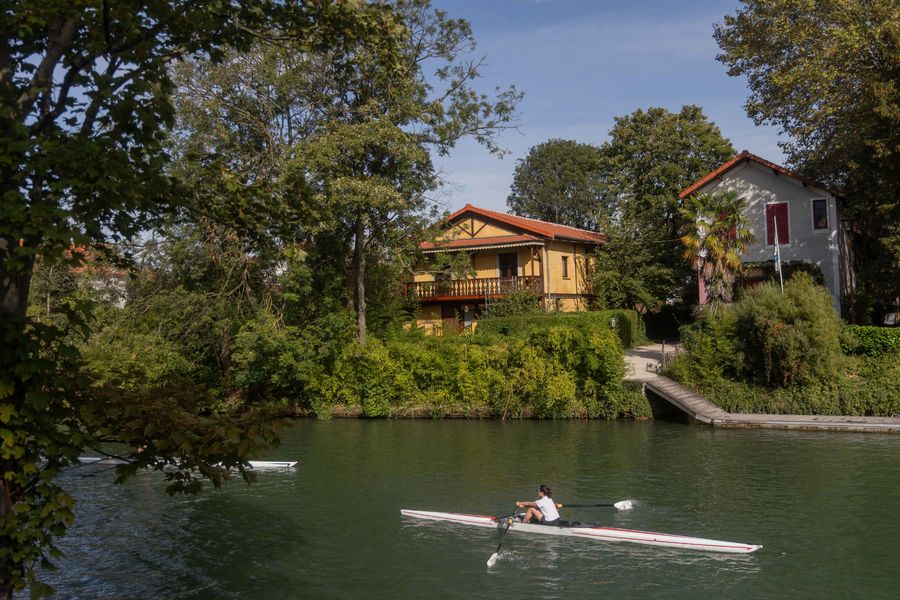
Built on the site of the former Château de Beauté, the Baltard Pavilion now overlooks the Marne River. It is the only remaining structure from the old Les Halles market in Paris, constructed from 1853 onward by the architect Victor Baltard.
He had been entrusted with the reconstruction of Paris’s central market and was required by Napoleon III and Prefect Haussmann to use industrial materials—glass and metal—considered hygienic and modern at the time.
During the demolition of Les Halles beginning in 1971, only one of the twelve pavilions was dismantled and preserved: Pavilion No. 8, dedicated to eggs and poultry. The pavilion’s 425 tons were transported to Nogent, where it was reassembled and inaugurated in 1977.
Today, the Baltard Pavilion hosts numerous events: concerts, gala dinners, conferences, trade shows, exhibitions, film shoots, and more.
Over the years, it has hosted a wide variety of activities — from film shoots, sporting events, and conferences to trade fairs and popular french television shows. The venue offers a fully equipped space with professional sound and lighting systems, ideal for large-scale productions.
Since 1980, the Pavillon Baltard has also been home to the Christie Organ, the historic organ from the Gaumont-Palace cinema, adding a unique musical and heritage dimension to this remarkable site.
Free of charge.
All year round, daily.
Langues parlées :
French