Church of Notre-Dame and the Holy Cross
Presentation
A thousand-year-old history in the heart of Bray-sur-Seine
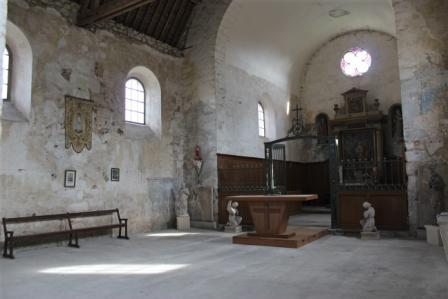
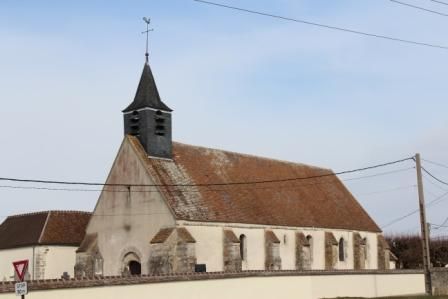
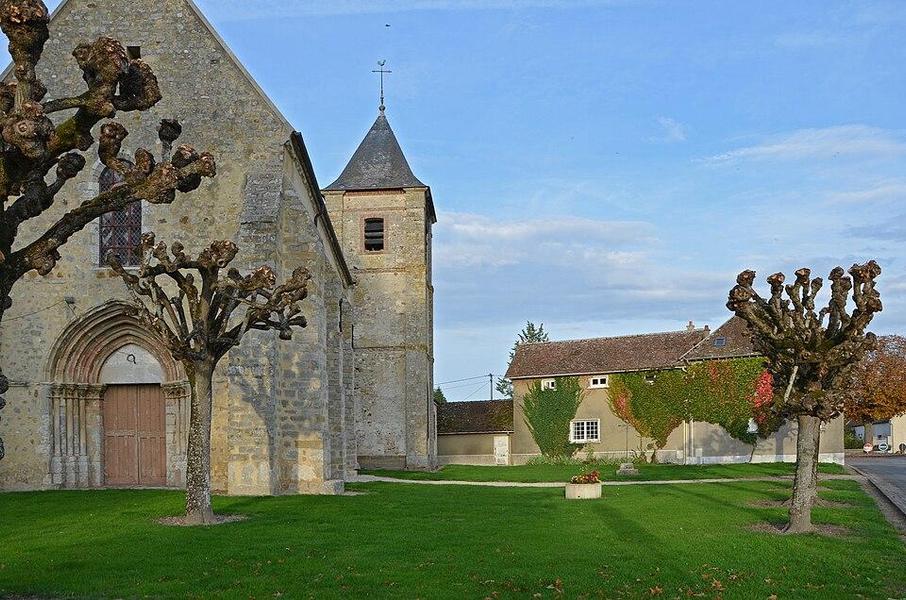
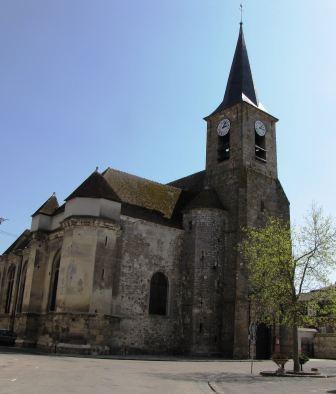
The Romanesque-style church was built in the year 958 during the reign of Bouchard I of Montmorency, the first Baron of Bray. After being set on fire by Boson in 978, the church was rebuilt and expanded, then consecrated on August 31, 1169, by Guillaume de Champagne, Archbishop of Sens.
In 1174, Henry I—Baron of Bray and Count of Brie and Champagne—established a chapter there, and the building became the Collegiate Church of Notre-Dame. It was set on fire by the Huguenots in 1567 and subsequently "repaired" under the auspices of Jacques I of Savoy, Baron of Bray.
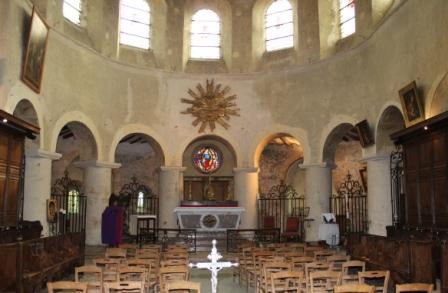
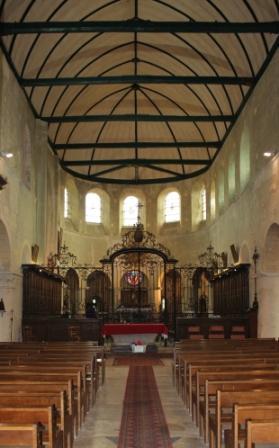
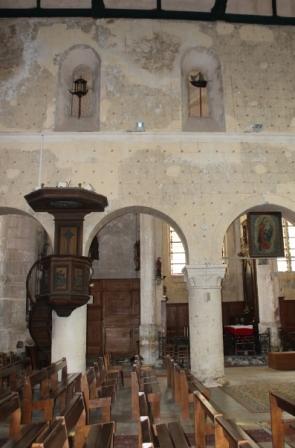
While the apse and the nave are Romanesque, the rest of the structure features a variety of architectural styles. The building lost its status as a collegiate church following the departure of the canons and, in the 18th century, reverted to being the Church of the Holy Cross (Sainte-Croix).
The church, which has been classified as a Historic Monument since 1945, was closed for one year starting on November 10, 1971, due to falling plaster and stones. On October 8, 1972, the people of Bray were finally able to return to their church with joy and gratitude. "It was more of a resurrection than a restoration," remarked Alain Peyrefitte, then a General Councilor for the Canton of Bray-sur-Seine, on that day.
The church’s organ, designed by Canon Pierre Caste and built by Pierre Petit, was inaugurated in 1599. The entire instrument was designated a Historic Monument on January 11, 2012, and subsequently underwent restoration in 2013 and 2014.
Musical and vocal concerts are held at the church every year, most notably during the Fête de la Musique (World Music Day).
Free access.
All year round daily.
Langues parlées :
French