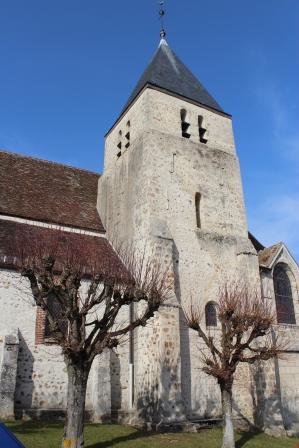
Saint-Etienne Church
Presentation
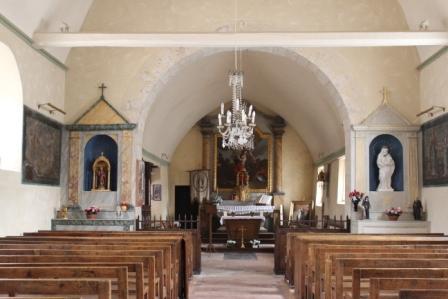
Saint-Étienne Church: A blend of history, heritage, and the memory of the Resistance
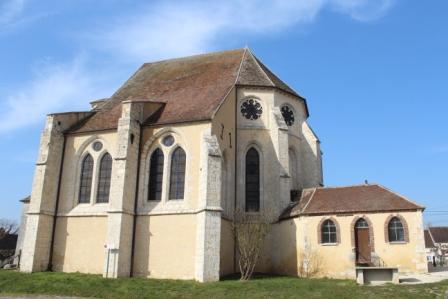
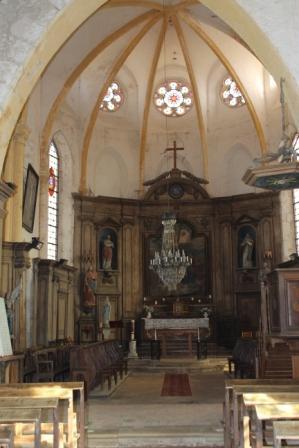
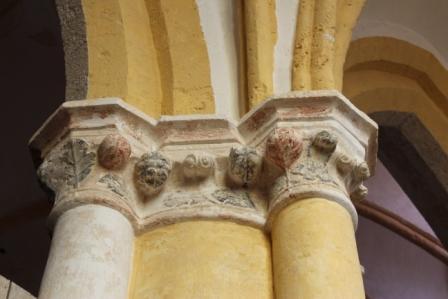
The parish church of Saint-Étienne has endured through time, surviving attacks, reconstructions, and restorations. Records from the 13th century mention the rebuilding of the choir and transept of an earlier church. In 1567, the building was set on fire by the Huguenots, and the nave was reconstructed shortly thereafter. Illegible tombstones—which were used as fuel for bonfires during the French Revolution—indicate that several members of the de Charlemaison family, the first noble occupants of the feudal castle, are buried beneath the floor. The structure is adorned with capitals decorated with fruit motifs and fine woodwork, and it also houses a 17th-century altarpiece at the high altar. A polychrome wooden statue on the north side depicts Saint Stephen, a 1st-century martyr who was accused of blasphemy against God and Moses; a painting nearby illustrates his stoning.
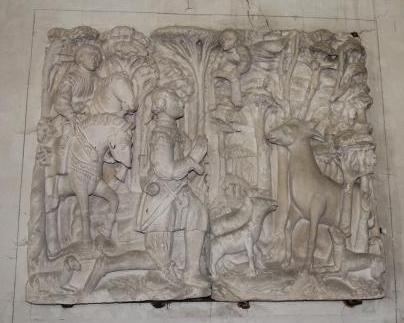
During the renovation of the flooring in 1875, a 16th-century high relief depicting the legend of Saint Hubert was discovered. According to the legend, Hubert—a passionate hunter—was blinded by a sudden light and fell from his horse while pursuing a stag. He then beheld a stag bearing a cross between its antlers and, upon hearing the voice of God, knelt before it.
In 2008, two stained-glass windows were installed in the south chapel (the Chapel of the Virgin) to commemorate the legacy of Abbé Ménardais, who served as the parish priest of Chalmaison from 1934 to 1952. He was a member of the French Resistance and was later honored as one of the "Righteous Among the Nations" for his actions during the Second World War.
Free access.
All year round daily.
Langues parlées :
French