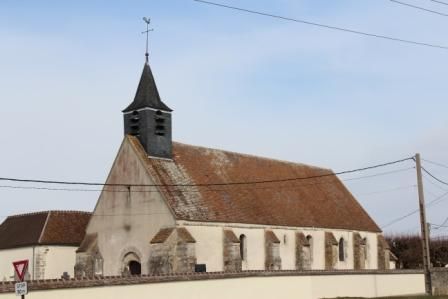
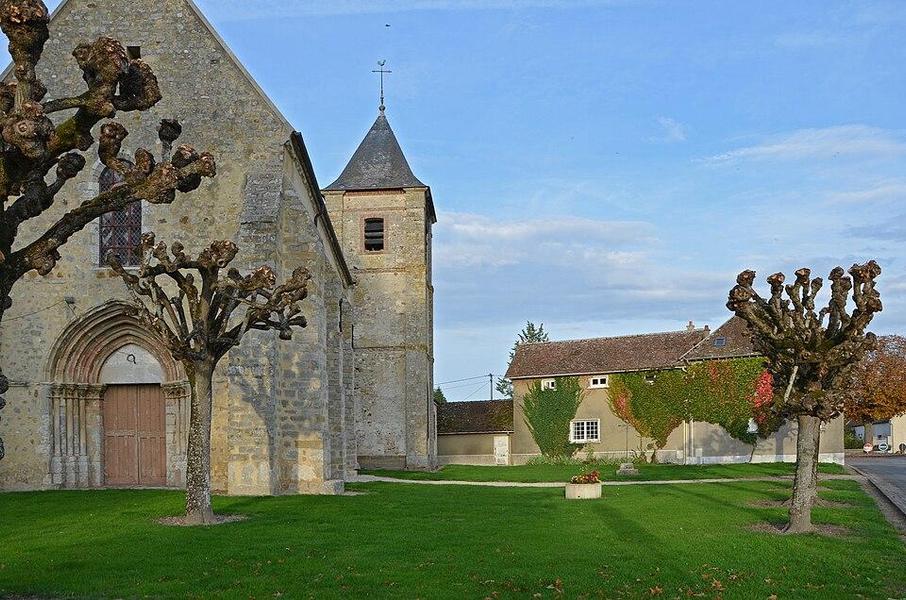
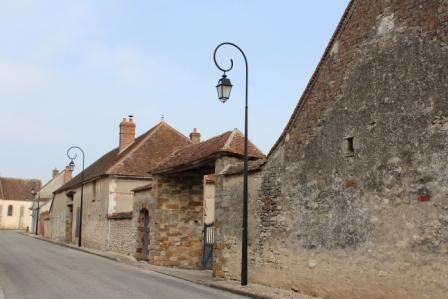
Church of Saint Genevieve
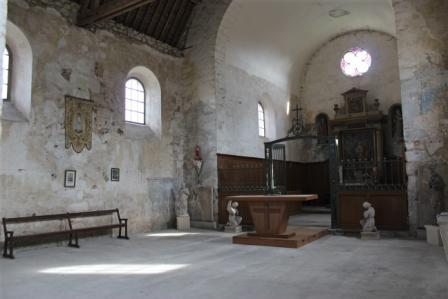
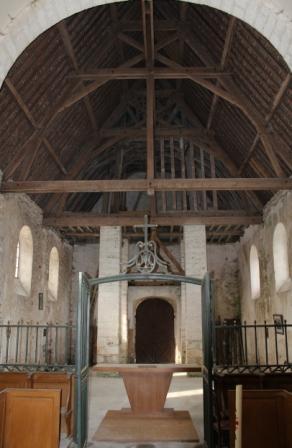
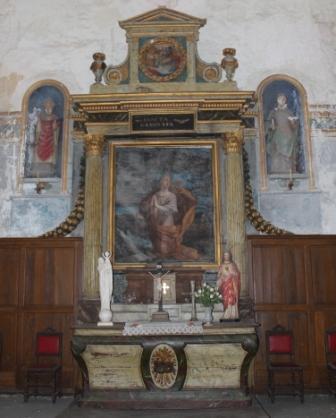
Presentation
A church born from the floods of the Seine.
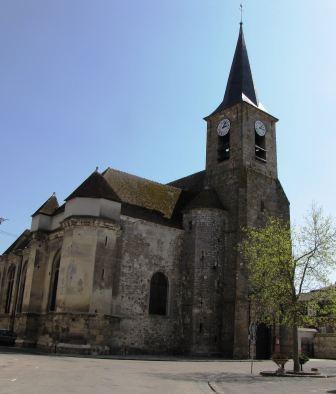
Originally, the settlement was located on the site of what is now the hamlet of Vieux-Mouy. A church was built in 1767 to replace the chapel at Mouy, which was frequently threatened by flooding from the Seine. The building was consecrated on November 10, 1768. From that time on, the village developed around its new church, and the inhabitants retained the right to cross the bridge and take refuge within the fortifications of Bray-sur-Seine in the event of war. By the 1830s, the church was used only on feast days. The people of Jaulnes—influenced by Huguenots who opposed the veneration of saints—nicknamed their neighbors in Mouy-sur-Seine "the bleaters" (*les bêlants*), a reference to the fact that the latter were under the protection of Saint Genevieve, the shepherdess. According to tradition, the saint passed through the village while on her way to Troyes to fetch grain.
All year round daily.
Langues parlées :
French