Church of Notre-Dame and Saint-Blaise
Presentation
Saint-Blaise Church: Wars, Lords, and the Memory of Beaumarchais
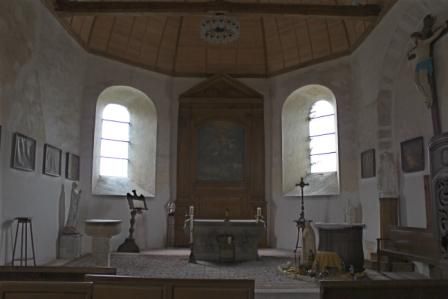
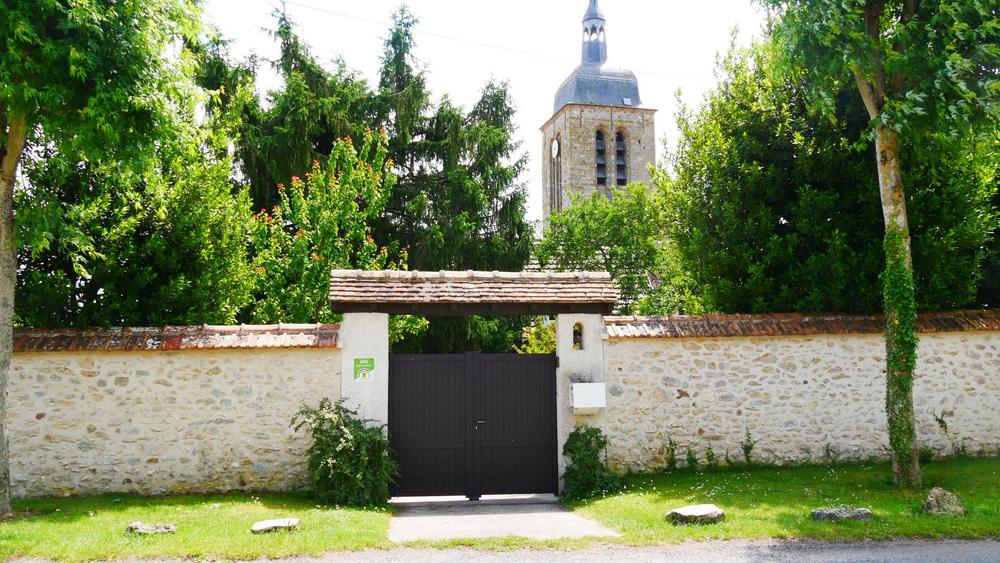
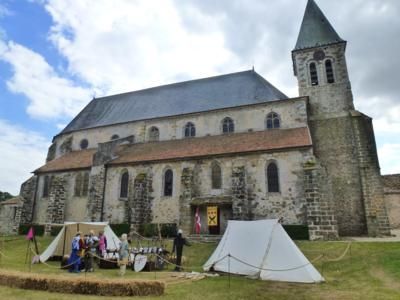
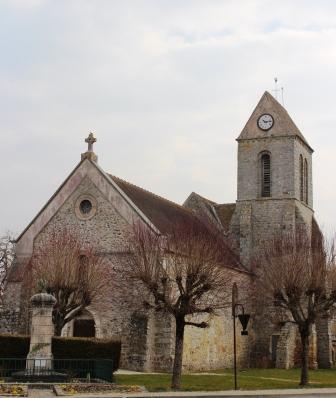
The current church in Villeneuve-les-Bordes dates back to the early 17th century. It had recently been set on fire by the Huguenots and had endured other upheavals in the past: the original structure, built in the 11th century, had been destroyed and subsequently rebuilt between 1376 and 1378 during the Hundred Years' War. Elements from that earlier building were reused and remain visible today—most notably the exterior archivolt that adorns the entrance.
The sacristy was once a seigneurial chapel, reflecting the practice among the lords—the vassals of Villeneuve and Les Bordes—of establishing private chapels along the church’s south aisle.
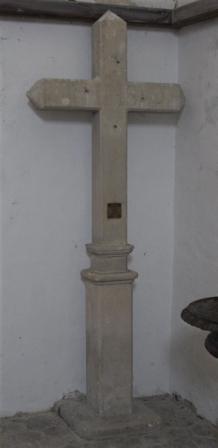
Near the entrance stands the "Beaumarchais Cross," erected in honor of the writer Pierre-Auguste Caron de Beaumarchais. It was originally located on the path leading to the Château des Bordes, which he once owned. The cross was later moved; after being situated on the road toward the local cemetery, it was eventually placed inside the church in 1886.
According to *The Golden Legend*, Blaise (Saint Blaise) escaped the persecution of Christians by hiding in a cave, where he lived as a hermit surrounded by animals. He was eventually discovered; because of the miracles he performed—and his refusal to renounce his faith—he was imprisoned and tortured with iron combs. He is traditionally invoked by those suffering from sore throats.
All year round daily.
Langues parlées :
French