Château de Bry
Presentation
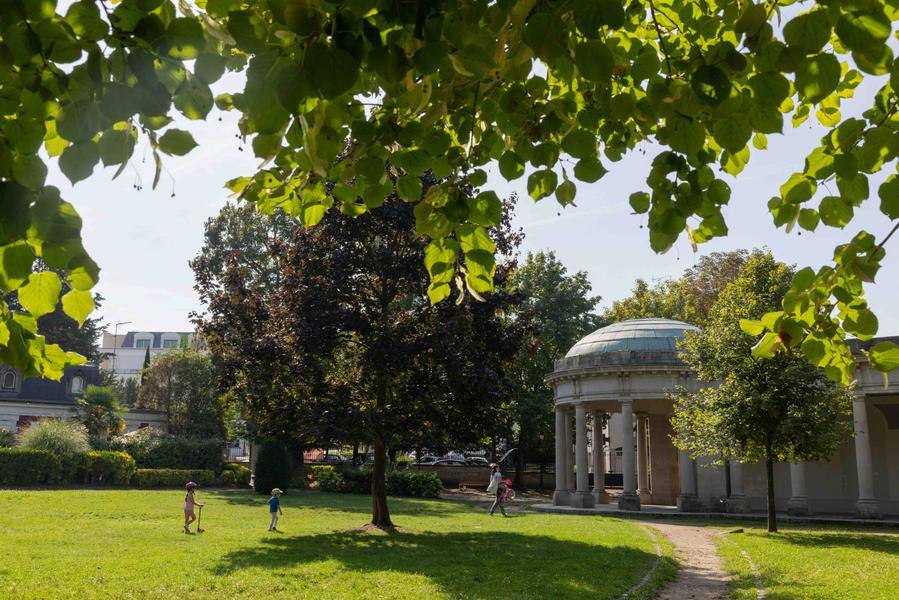
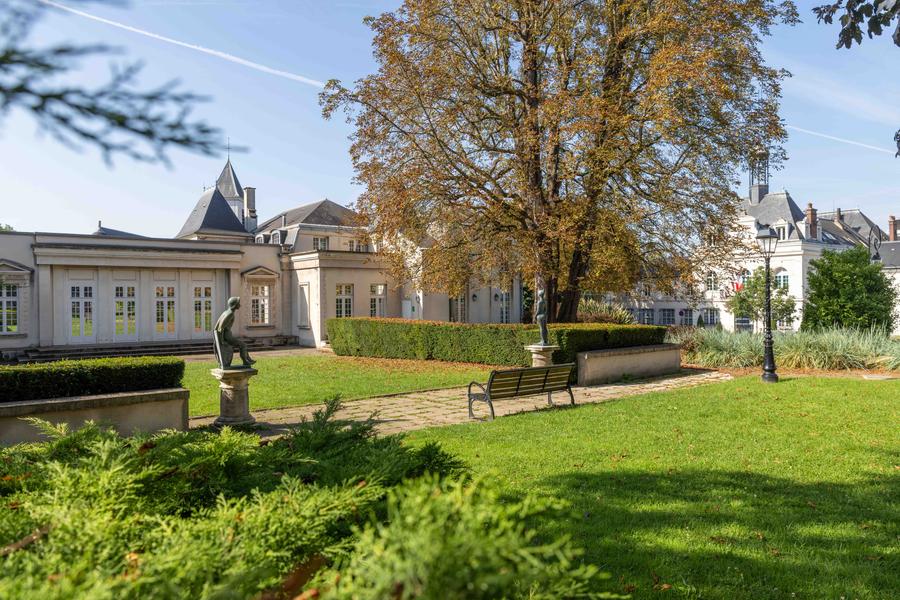
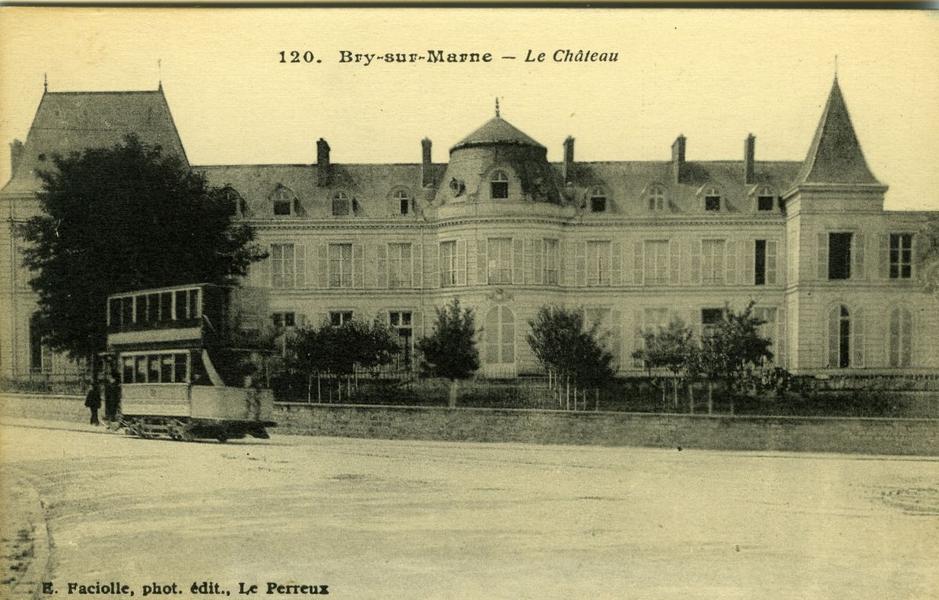
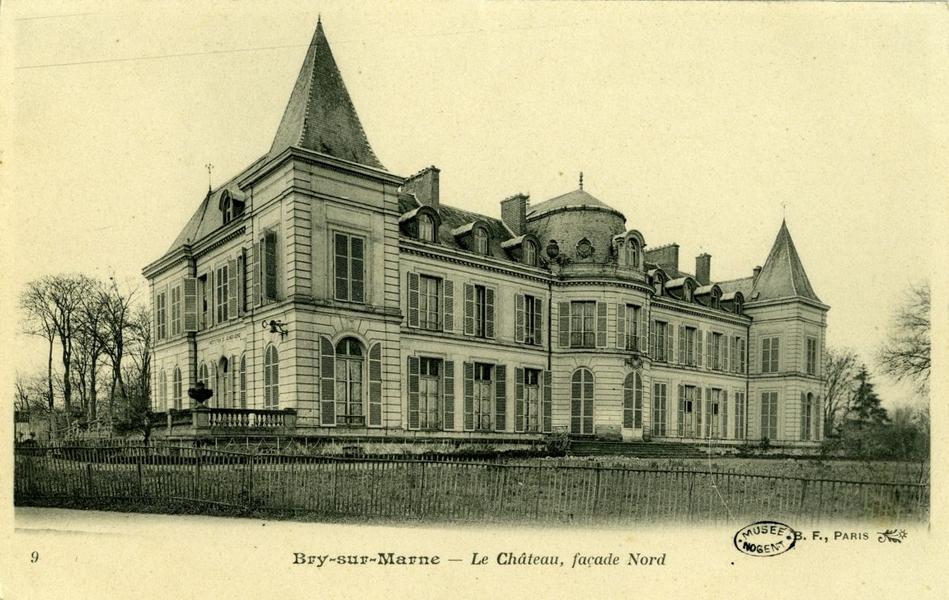
Originally built in 1690 and later reconstructed in the 18th century by Étienne de Silhouette—a prominent French statesman and Controller-General of Finances under King Louis XV—the Château de Bry has undergone several major transformations throughout its history. Although partially destroyed in 1870 during the Franco-Prussian War, the site remains an important architectural and historical landmark. Today, it is owned by the Sisters of Saint Thomas of Villanova and houses an educational institution.
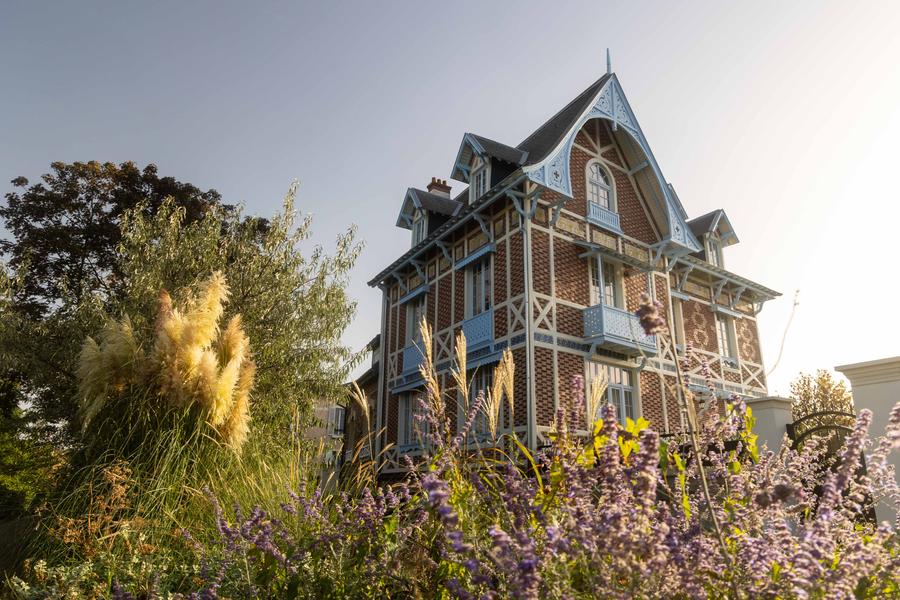
During the 1870 conflict, the Château served as the headquarters for Prussian officers and was heavily shelled by French artillery. Shortly after the war, its new owner, the chocolatier François-Jules Devinck, undertook its reconstruction. While the château lost some of its original proportions and ornamental richness, it retained several 18th-century decorative elements, including allegorical overdoor panels representing the four seasons.
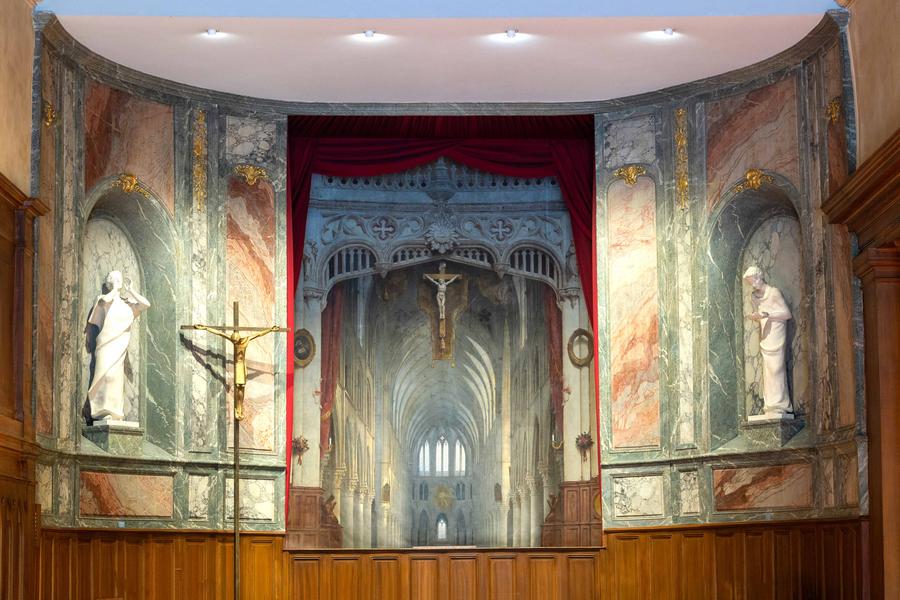
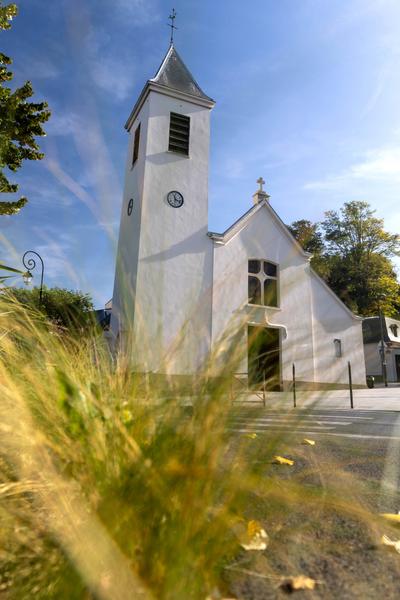
Converted into a school in the early 20th century, the Château became the property of the Sisters of Saint Thomas of Villanova in 1925, who added a chapel to the estate. Despite its many transformations, the Château de Bry still preserves remnants of its 17th-century structure, offering a rare glimpse into the architectural evolution of French noble residences over more than three centuries.
Free access.
All year round daily.
Langues parlées :
French