Church of the Trinity
Presentation
A heritage shaped by five centuries of history
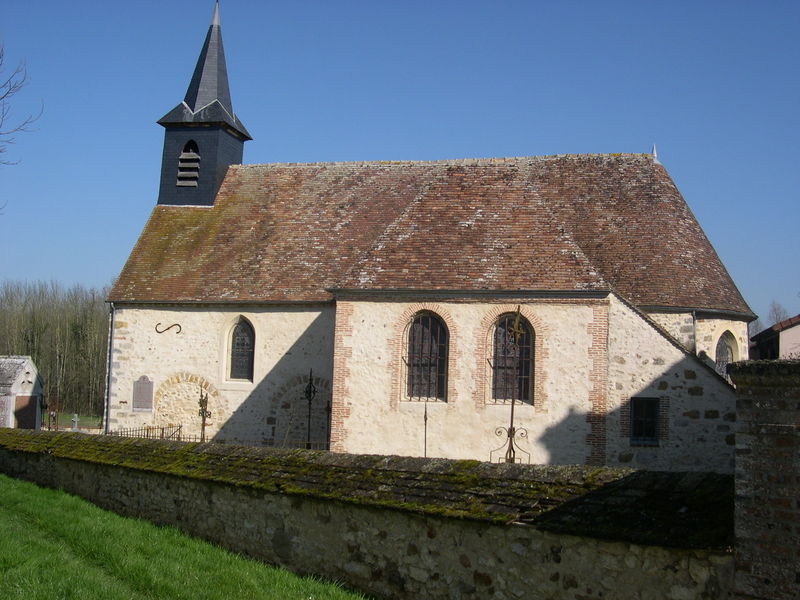
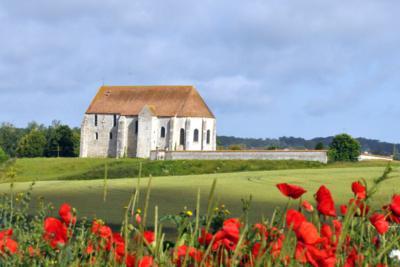
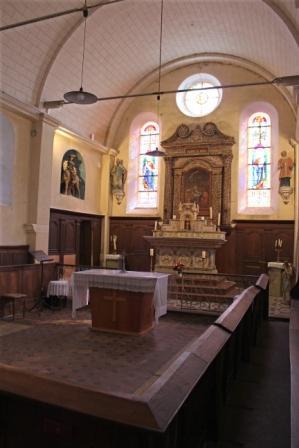
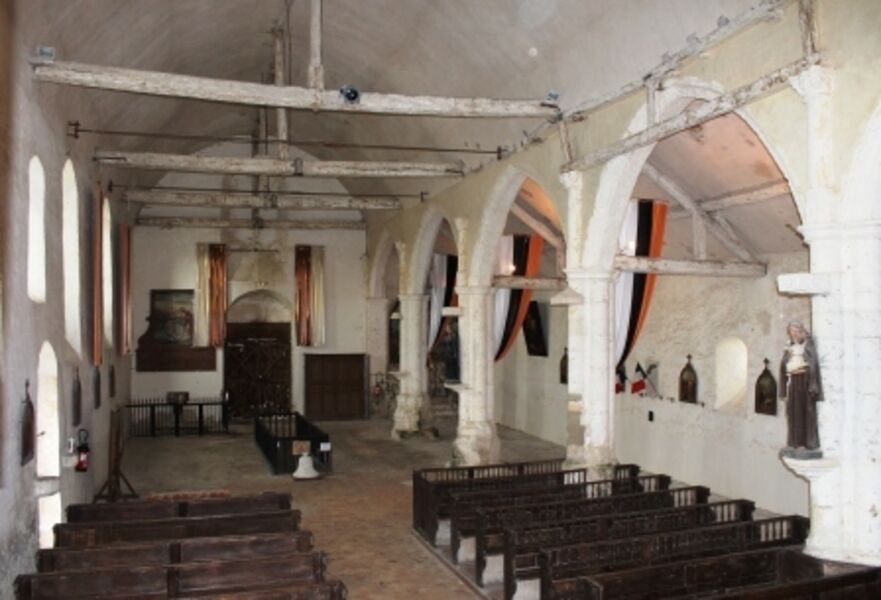
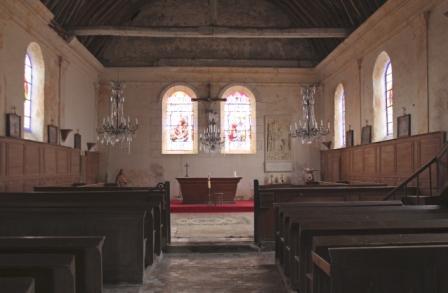
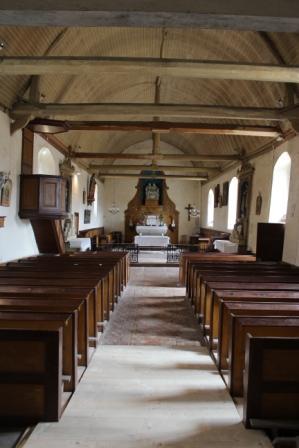
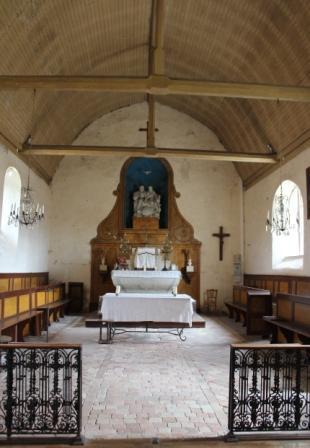
In 1457, the inhabitants of Thénisy established a cemetery, followed by a chapel dedicated to the Holy Trinity. Funeral services were conducted there by the parish priest of Paroy or the officiating clergyman from Sognolles. The parish was formally established by the local community in 1594, at which time a 9-meter-long nave was built as an extension to the chapel, and a bell tower was erected at the western end. In the early 18th century, to accommodate a growing population—and, consequently, an increasing number of worshippers—the structure was expanded by another 6 meters, necessitating the demolition of the western gable. Further work was carried out later: a sacristy was built against the north wall in 1878, and a plaster-on-lath vaulted ceiling was installed in 1928.
Housed within an apse in the chancel is a sculptural group depicting the Holy Trinity; dating from the 19th century, it is registered as a protected historical monument (*monument historique*). It represents God the Father, Jesus the Son of God, and the Holy Spirit—the latter depicted as a dove hovering above them.
All year round daily.
Langues parlées :
French