La Bassée Ponds
Presentation
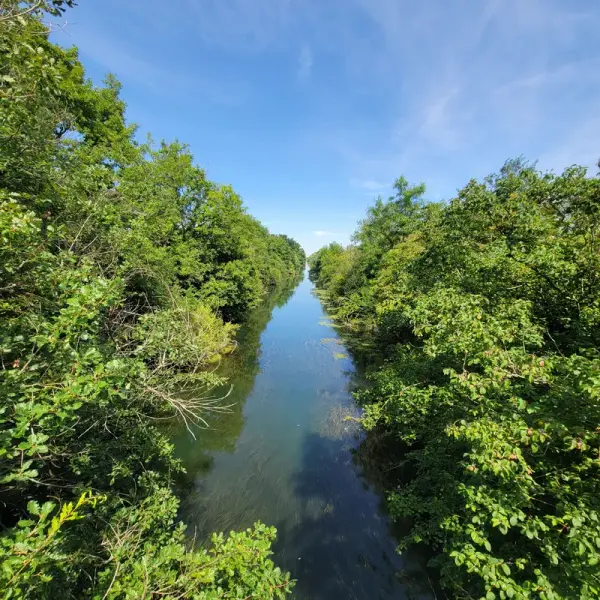
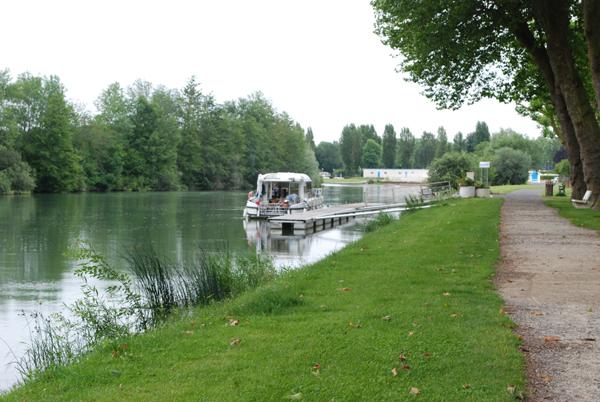
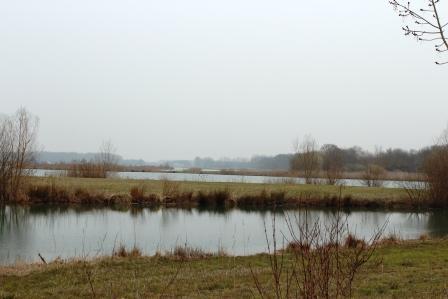
The ponds that can be seen near the Grande Bosse lock are not all natural; they are the result of the extraction of alluvial deposits—sands and gravels laid down over time by the Seine.
Walking along the paths that skirt these ponds reveals the precious ecological wealth of the Bassée region. These areas are highly valued by amphibians and various bird species, which find both food and breeding grounds here. They also serve as migratory stopovers for many birds from spring through autumn.
Other sites within the municipality harbor their own wildlife treasures. Among these is the "Grande Bosse" loop—a former bend in the Seine that was cut off from the main river during the canalization process and the construction of the lock. This 43-hectare area, now disconnected from the river, provides a habitat for potential nesting species, including the black kite, European honey buzzard, black-crowned night heron, and common kingfisher. The marshy zone known as the "Roselières de Tournefou" (Tournefou reed beds) is home to various mammals, such as the hazel dormouse—a strictly protected and highly rare species—as well as the pine marten and the European polecat.
All year round daily.
Services :
Pets welcome
Langues parlées :
French