Saint Anne's Chapel
Presentation
The Chapel of Saint Anne, former seigneurial chapel of Baby: a site encompassing rural heritage, funerary remembrance, and pilgrimage
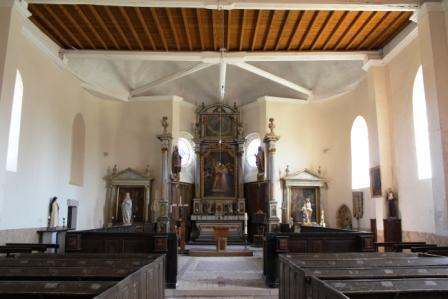
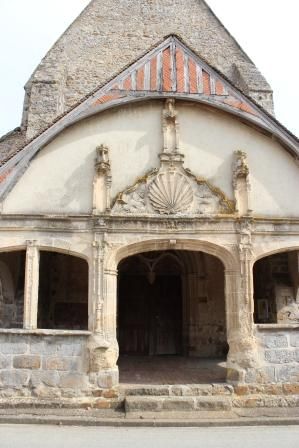
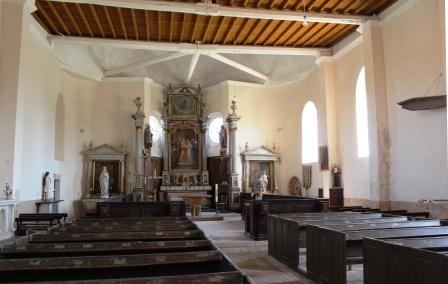
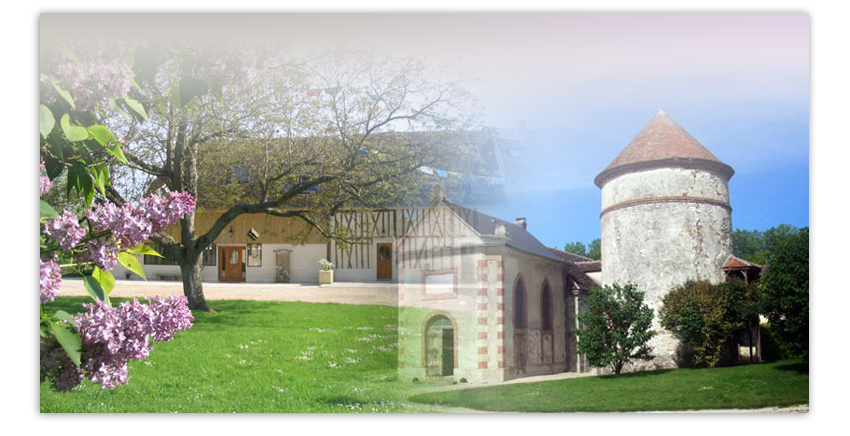
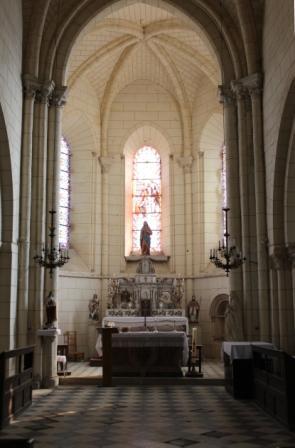
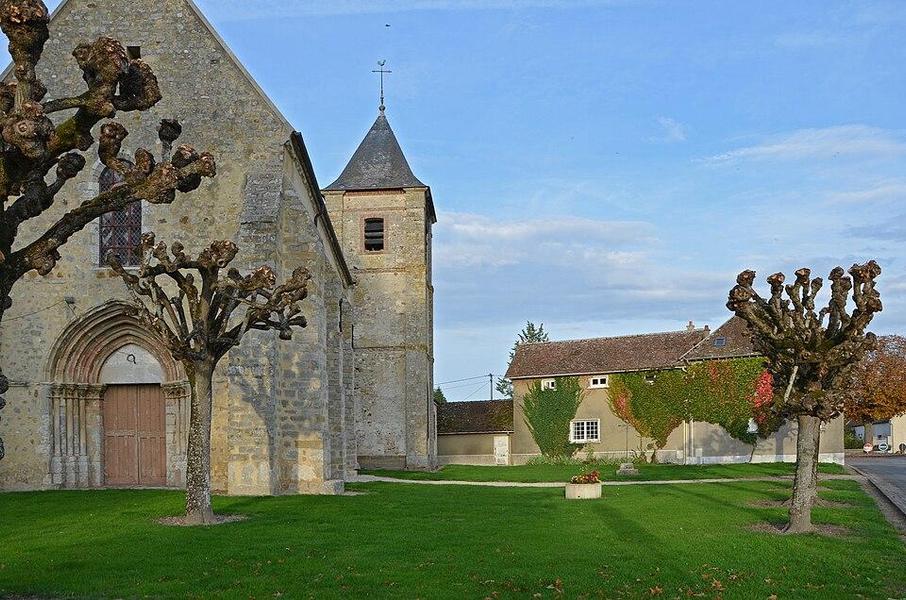
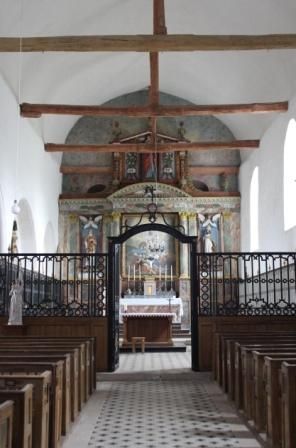
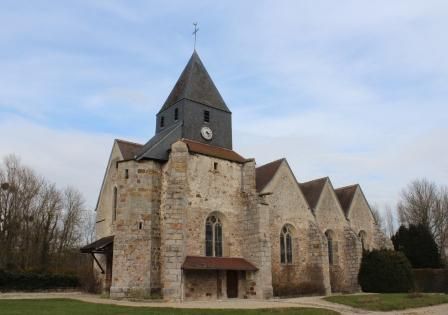
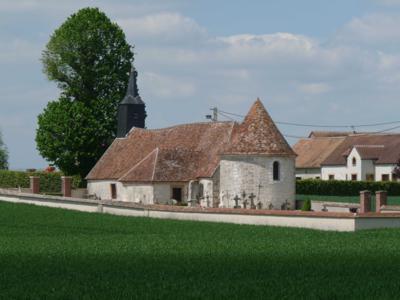
This seigneurial chapel was built in the 13th century. Attached to the Château de Baby until 1640, it subsequently became a parish chapel. The chancel—where the wife of the Lord of Baby lies at rest—and the nave (constructed in 1659 from sandstone, flint, and limestone) are typical of rural architecture in the Bassée region. In the 18th century, a tower measuring 4.25 meters in diameter and topped with a conical roof was added; this serves as the funerary rotunda for Alexis-Jean-Durand de Lagny.
During the 19th century, a sacristy was built adjoining the chancel, the bell tower was reconstructed, and the weakened vault of the rotunda was replaced by a timber roof structure.
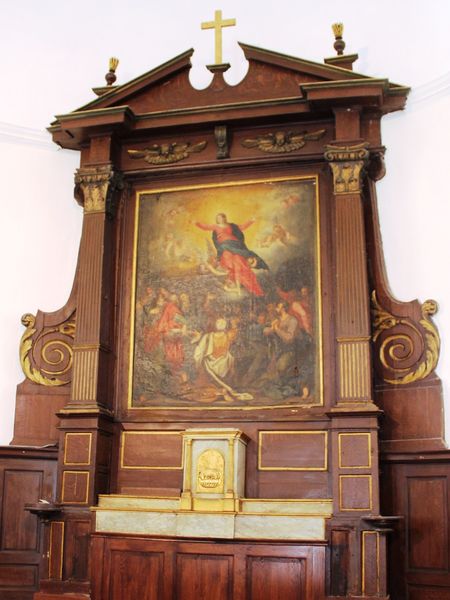
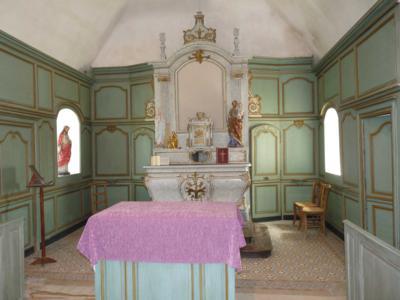
Dedicated to Saint Anne, the building now houses several registered objects made of polychrome wood: a Mannerist-style sculptural group from the 17th century depicting Saint Anne teaching her young daughter, Mary, how to read, as well as a Virgin and Child dating from the second half of the 18th century. A crucifix also adorns the church; its realism is evident in the blood-stained details, the folds of the drapery, and the positioning of the feet, which are nailed side by side.
Every year, the chapel suddenly proves too small, as many local residents arrive in July on a pilgrimage to celebrate and pray to Saint Anne.
Free access.
All year round daily.
Langues parlées :
French