Isle Farm
Presentation
La Ferme d’Isle, a former seigneurial estate that stands as a testament to the great agricultural prosperity of the Bassée region
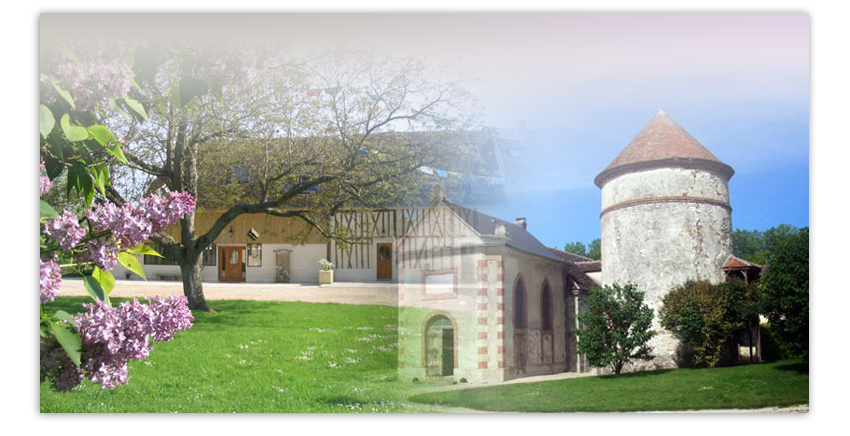
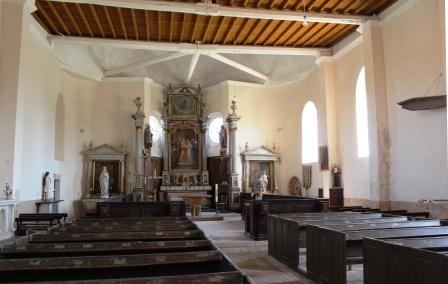
"La Ferme d’Isle" is known for its pits, wells, and outbuildings, clustered near an enclosure of an aristocratic nature. This complex is believed to date back to the final Hallstatt period. Much later, it is documented that a castle and a seigneurial chapel existed on this site. Around 1830, the Ferme d’Isle belonged to Baron de Macklot, who sold it to Count Charles-René de Bombelles—the third husband of Marie-Louise of Austria, who herself had been the second wife of Napoleon Bonaparte. The property was sold by his heirs in 1865.
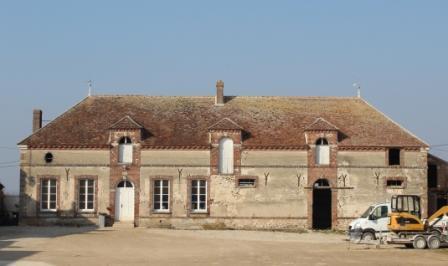
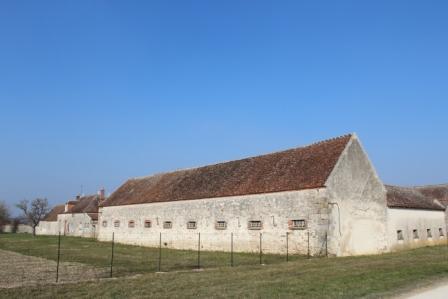
This is a large farm situated on the right bank of the Seine, amidst the fields. Fine, well-preserved agricultural buildings, along with the main manor house, are arranged around a rectangular courtyard, forming a completely enclosed compound accessible only through a large gateway. These structures offer insight into the heyday of seigneurial fiefs and their agricultural prosperity. They are characteristic of the large local farmstead, constructed using regional materials. In the center of the courtyard once stood a massive manure heap—its size proportional to the scale of the livestock herd and, consequently, the wealth of the farmer.
All year round daily.
Langues parlées :
French