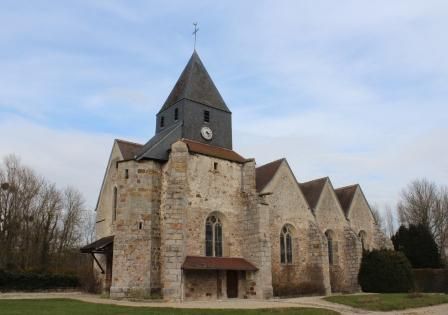
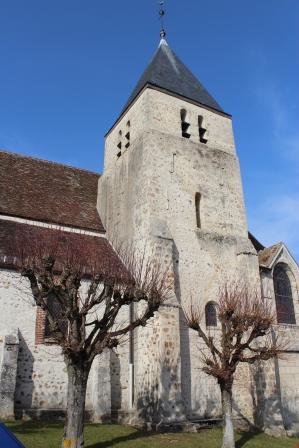
Church of Saint-Loup and Saint-Pregts
Presentation
The church of Grisy-sur-Seine: from the former pilgrimage site to the new church
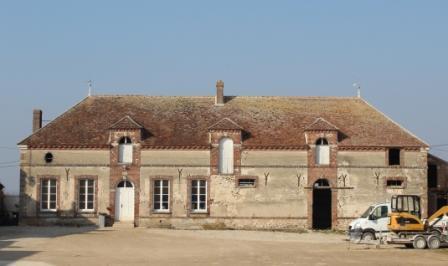
In the 13th century, Grisy-sur-Seine was a small parish within the diocese of Sens. The original parish church, located 3 km from the village, was once known for the pilgrimage to Saint-Loup—a devotion shared with the Abbey of Saint-Loup-de-Naud, the only other sanctuary in the diocese to honor this Archbishop of Sens (who lived in the early 7th century).
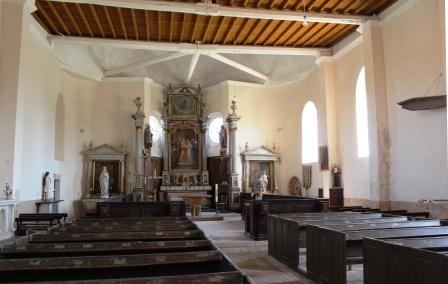
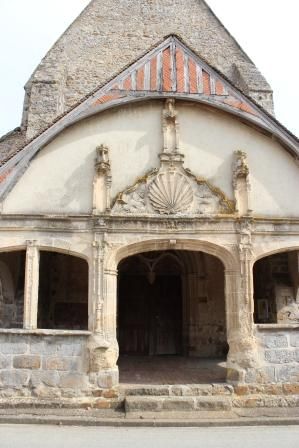
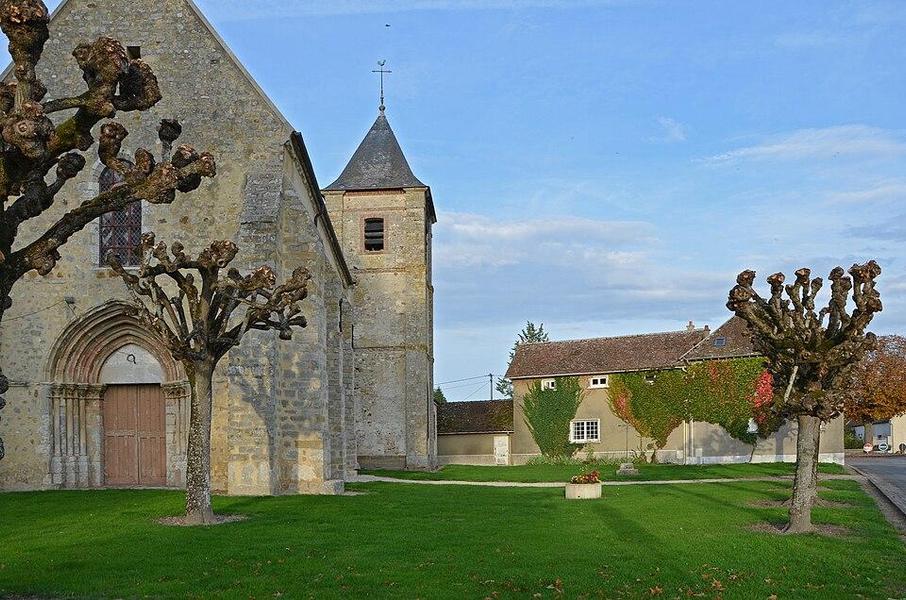
In 1853, with the support of all the local inhabitants, the parish priest arranged for the place of worship to be relocated into the village itself. The reconstruction of the church—designed in the style of the 14th century—was aided by the Count de Bombelles, then owner of the Isle farm and husband to Marie-Louise, as noted on an engraved marble plaque.
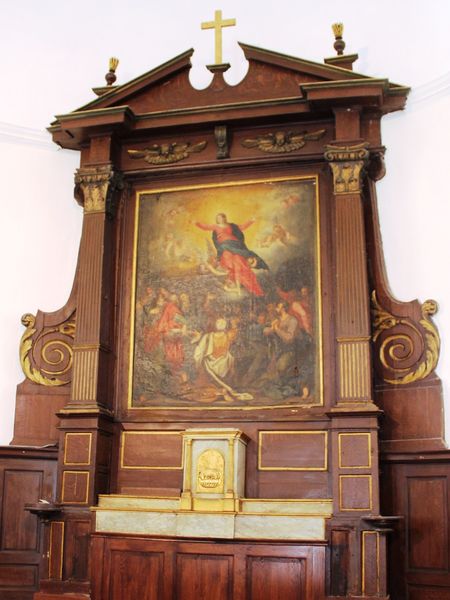
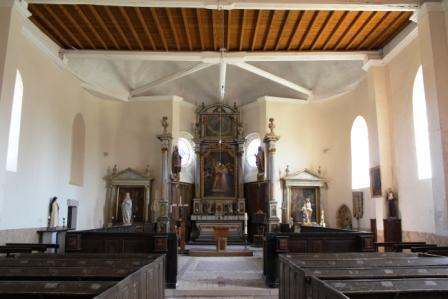
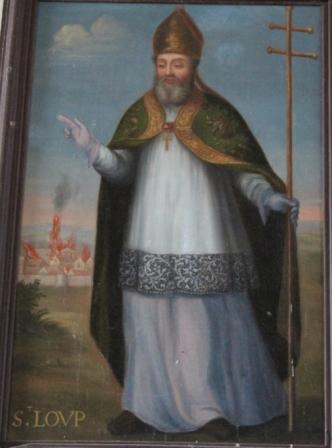
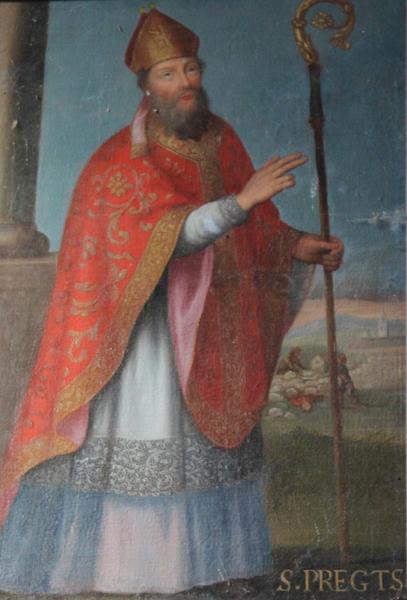
Restored paintings and stained-glass windows depict the church’s patron saints. One 17th-century painting, for instance, illustrates an episode from the life of Saint-Loup: during a fire in Melun, the saint is shown gesturing toward the southern Saint-Ambroise district, with the hills of the Brie plateau in the background—at the foot of which lies the Saint-Aspais district. Between these two areas, on the Île Saint-Étienne, the castle of Melun is seen ablaze. With a sweep of his arm, the saint brings the fire to an end.
Saint-Priest (Saint-Pregt), born into an aristocratic Auvergnat family in the 7th century, became the Bishop of Clermont. He oversaw the construction of numerous institutions but was eventually assassinated; having become a martyr, he is invoked for the healing of the infirm.
All year round daily.
Langues parlées :
French